
Excerpt
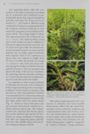
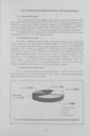
36 3. ECOLOGY OF M. AVELLANARIUS Nest supporting plants reflect the com- position of the plant community, but within this M. avellanarius show preference to par- ticular plant species that support and hide the nests best. More than 70% of nests of M. …
Excerpt
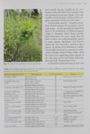
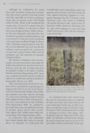
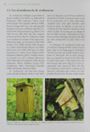
A: Fig. 17. Nest of M. avellanarius in young oak tree. 3.2. NESTS AND NEST SITES trees usually become suitable for M. avel- lanarius nests after they have lost their tops and sprouted several new shoots. Tree tops could be cut by humans or bitten off by …
Excerpt
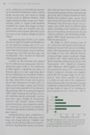
38 3. ECOLOGY OF M. AVELLANARIUS of M. avellanarius in Great Britain present- ed by Hurrell & McIntosh (1984) could be biased, because they were based on simple human search in different habitats, which might include also high canopy trees. Radio- …
Excerpt
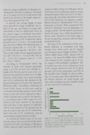
different young woodlands in Lithuania (ex- cluding data from the overgrown clearing at site A). In total, 43% of M. avellanarius nests found were situated in the height range 0.6— 1.0 m above ground (Fig. 18). In general, the average height of nests …
Excerpt
40 3. ECOLOGY OF M. AVELLANARIUS Although M. avellanarius do weave their nests in bushes, young trees or bram- bles, they seem to prefer to use more secure nest sites, especially tree holes or nestboxes, where they are present (Lozan 1970; Bright & Morris …
Excerpt
nests). M. avellanarius have also been found making their own nests inside old nests of magpies Pica pica (Hurrell & McIntosh 1984; Fuchs 1987; Gatter & Schiitt 1999) and wrens Troglodytes troglodytes (Berthold & Querner 1986; Eden 2009; S. Biichner, …
Excerpt
42 3. ECOLOGY OF M. AVELLANARIUS Eden (2009) succeeded in finding several dormouse hibernation nests in Dorset. They were also about the size of a tennis ball and were more tightly woven then summer nests with no sign of an entrance hole. The nests were …
Excerpt
accidentally inside a hollow spruce tree root (L. Skérys, pers. comm.). Another winter nest of M. avellanarius was found in a small depression in a meadow near a small wood, the top of the nest visible (P. Bluzma, pers. comm.). Eden (2009) described many …
Excerpt
44 3. ECOLOGY OF M. AVELLANARIUS 3.3. Use of nestboxes by M. avellanarius M. avellanarius willingly occupy both or- dinary nestboxes for birds (e.g. Pielowski & Wasilewski 1960; Likhachev 1967a; Lozan 1970; Schulze 1973; Juskaitis 1997b, d, 1999c; Henze & …
Excerpt
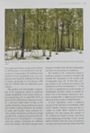
i fs » Ss Fig. 22. The first M. avellanarius are found in nestboxes when parts of the forest floor are still covered with snow. have appeared in boxes at the end of March in 1983 because 12 M. avellanarius were de- tected on 3-4 April when 325 nestboxes …
Excerpt
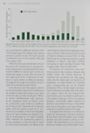
46 3. ECOLOGY OF M. AVELLANARIUS oa oO , HB adults [juveniles NO wo Oo oO oO L 1 1 Number of dormice / 100 nestboxes 5 04 Apr-! Apr-il May-l May-ll Jun-! Jun-ll Jul-l Jul-Il Aug-| Aug-Il Sep-l Sep-ll Oct-I Oct-Il Nov-I Fig. 23. Dynamics of the average …
Excerpt
Neseniai gavę invalidumą savarankiškai vaikščioja mažiau negu 1987 m. apklaustieji. Beveik 3294 apklaustųjų be palydovo vaikšto tik bute ir namo kieme. Nežinomu maršrutu (kituose kaimuose ir miestuose), 1969 m. duomenimis, galė- jo vaikščioti 24,190, 1987 …
Excerpt
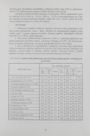
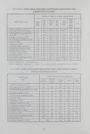
10.2 lentelė. Atskirų imčių apklaustųjų pasiskirstymas pagal įvairių sričių pagalbininkus procentais Sutrikusio regėjimo žogaus pagalbininkai sa Atsi- | Šeimos | Ben- | Kai- T Apklaustųjų imtis Niekas | tikti- | nariai | drą- | mynai | sociali- ij nepa- | …
Excerpt
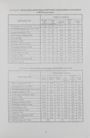
10.4 lentelė. Atskirų imčių apklaustųjų pasiskirstymas pagal galėjimą savarankiškai vaikščioti procentais Galėjimas vaikščioti Apklaustųjų imtis Negali | Negali | Gali su Salou AS Setas del dėl palydovu palią dyta sveikatos | regėjimo 1.Invalidumas iki 5 …
Excerpt
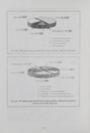
3 (n=264) 27,20 4 (n=462) 51,06 i 1 (n=109) 12065 2 (n=62) 6906 “ Nenurodyta (n=26) 2,94 1 - negali dėl blogos sveikatos 2- negali dėl blogo regėjimo 3 - gali tik su palydovu 4- gali be palydovo 10.1 pav. 905 apklaustųjų pasiskirstymo paga! galėjimą …
Excerpt
11. LAISVALAIKIS Esminių sutrikusio „asų žmonių laisvalaikio struktūros pokyčių per pasta- ruosius 25 metus neįvyko/ Be abejo, dėl socialinių, politinių ir ekonominių pokyčių kei- tėsi laisvalaikio turinys, politinė ir socialinė jo orientacija. Dėl ribotų …
Excerpt
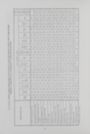
„„PIJIASIADS,, DUK) M 696] - « ž 8 2 Es L'0 m EG Žž 6PI | 99 | L 19 (01150) seujiKi UI 6961 SĮ LLS 001 [P |) EE | 22468 |2001 | 9lEva PS [298 |EREES| 34 |Zo0r || -otof | 002 | 9 (06=U) skiuPga pį SEA S ES 66 [L TTL E SOTa| STI | EB E SE aga | 7088 |ŽO GI …
Excerpt
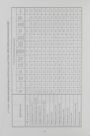
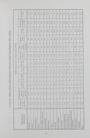
12. TURIMA IR PAGEIDAUJAMA TIFLOTECHNIKA 12.1.Turima tiflotechnika 1995 m. apklaustieji šiek tiek daugiau turėjo akinių, linzių, lupų, okuliarų, laikro- džių, rašymo Brailio raštu priemonių (12.1 lentelė). 1987 m. apklausos duomenimis, res- pondentai …
Excerpt
PP 0'0 ECE III CS 00 Te Vl 516 95 0'01 £'££ Ii £'£s (06=u) skueg p] Pe 0'0 0'8 BZ. (I00 UI 0'0 0'0 i S EEA EC | (88=U) sIEUDSLŲNS SIeIUZŲ NS Ę[ 9'p 0'0 76 Lee |Š 00 0'0 0'0 0'0 6'0 sa |ž9l92 |g10'0 | P ž9 (601=U) IsIUaTA'ZĮ 65 01 60£ | 9'SP 00 s'0 $'0 OZ …
Excerpt
a žilė 00 VT 07 ce] 6E] R|-SE E O EEE S7 BN ii Ž|Ė i 60 PI "I VI 0 | ESS ia 40 TI SEUOJojaL 00 e vo s+ 05 0£ Tr vr Tr Vv | 9+ Tr seAnjUII OlipE Te €Z SI To Li FI £T | 0 I 90 97 | 6 TT o madS SA SOS Zz 00 cL4 55 Iš 2 6z 60: 4, AcE|S Pal < Gi B|Ž Eu SI …
Excerpt
13. NUOSTATOS IR PAGEIDAVIMAI 13.1. Bendrosios pastabos Iš 2 priede pateikto atsakymų lapo matyti, jog 6 klausimai buvo atviri, t. y. apklau- siamajam buvo suteikta galimybė atsakymą suformuluoti pačiam. Visus atsakymus pamė- ginome sugrupuoti. Mašininiam …
Excerpt
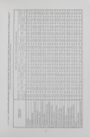
13.4. Parama iš LASS Pasakytina, kad iš LASS gauta parama ir įvairesnė, ir daugeliu punktų dažnesnė negu Iš socialinės rūpybos skyrių. Nieko iš LASS negavo tik 3094 naujai gavusių inva- lidumą ir tik 2190 LASS “senbuvių" (13.5 lentelė). Vienkartinių …
Excerpt
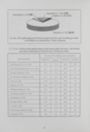
/ Nepasikeitė (n=102) 11,870 14 0 Nenurodyta (n=43) 4,80 M „Pagerėjo (n=28) 3,196 Pablogėjo (n= 732) 80,99 13.1 pav. 905 apklaustųjų pasiskirstymo pagal nuomones apie invalidų gyvenimo pasikeitimus per pastaruosius 5 metus diagrama 13.1 lentelė. Atskirų …
Excerpt
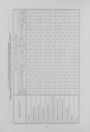
ė 05 67 S a vo 8'9 LP Pr 6 69 rr LS Tv P4IUIOS; auroesuaduox Kurdnudy 7 0'£ c'£ si 60 Pr I ve I] So S Ižz ve S 83urjde NATeLI4 T £+ 8+ ££ 00 69 L'S 6£ 8 ££ 8 Pr TP 91 IA [IZ sr 9'p Vv vo 67 9€1 Tr Vv LS 87 9+ Pr TP SUIEPI[EAUI OISauiap NEIBNECT OZ) Zi VZ …
Excerpt
0'0 Sd Vl 60 0'0 60 s'0 PL £0 LA PI I] Ii £1 97 4 s'0 Vl S 0'0 97 £0 £7 80 Ll elog019'(Į 0 70 00 60 00 0'0 Vo 0'0 Z0 0'0 0 0'0 0'0 (so1EpgPĮ S!) IISIEA 6 ST B ££ 0'0 67 Iš] Ie 1 87 e 67 La £1 ((ued Jį reIznge1p) EIepgEj LeAj'Ę £6 SE 9'6 VUOI 67 16 (0'9 …
Excerpt
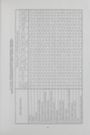
a SD E DE ECO OT II LA) "I 9'0 90 LAU 80 8'0 sauoulotId soyIUUIS; sauroesuaduIO X 8 Į VE Vs V GO 8L VE vs Čč 8+ | 9£ ££ 0'9 £9 AA LI Ri VI 97 LĘ 01 ve 61 El vZ 8'0 LG Ša 80 .A5uejde 'soureIEd s2UlĮPIOJĄJ 9 Į 0 07 Kom 60 0'0 Ii £0 UI 90 £0 LAU s0 vo …
Excerpt
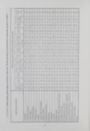
87 VT 86 S 07 EC 87 Vv 87 87 ££ IZ 0' < PD IZ 0'0 0'0 0'0 0'0 0'0 0'0 0'0 0'0 0'0 0'0 0'0 0'0 7 sniuršuoi I bumo 07 I 01 E 60 67 E7 UI UI 90 61 01 £1 8'0 9juPįde BurBaed ŠUIĮEIOJAI 6 Į £'0Z 981 | Hz | TIE | TI | s1E | PoZ | Za | sz | a | o0z | 00z | Loe …
Excerpt
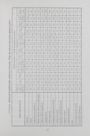
Tr Sp E ces: As po |Lžps TP PP as Ss TP cv LS Oi eliopijigPaI JI Kaga 8'0 OT ko | G0E oe | 22 | 90 cl cos | Li 8'0 8'0 ve nusĮrod 'nuuKpA3 nIuUIojeUPS*pĮ 0£ E82 | Ga“| Sa Oi | 278 | a SEB 611 Pr ££ 97 Ve BDT EI Fo S0E | AO8| 00 s'0 VI SL t 010 pOoE ou Iš …
Excerpt
LITERATŪRA 1. Andrejauskienė V., Andrejauskas V. Lietuvos aklųjų ir silpnaregių socialinė charakteristika (1969 m. apklausos duomenys). V.: Periodika, 1974. 127 p. 2. Armonas S., Gotbergienė M. Naujos regėjimo invalidų užimtumo tendencijos // Mūsų žodis. …
Excerpt
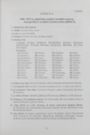
1 priedas ANKETA 1990-1995 m. pripažintų regėjimo invalidais asmenų demografinė ir socialinė charakteristika (RIDSCh) 1. Apklaustojo eilės numeris 2. Amžius (nurodyti pilnus metus) 3. Lytis: 1) vyras, 2) moteris 4. Tautybė: 1) lietuvis; 2) rusas; 3) …