
Excerpt
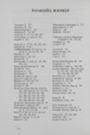
PAVARDŽIŲ RODYKLĖ Alaunienė Z. 137 Aleinikova N. 366 Aleksandravičius J. 297 Ambrasas K. 336, 447 Ambrazas V. 77, 131, 186, 330 Ambraziejus, šv. (apie jį) 401 Augulis A. 367 Balašaitis A. 57-58, 167, 182, 336 Balčienė B. 57-58 Balškms Juozas 20, (apie jį) …
Excerpt
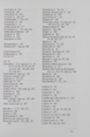
Gavėnaitė D. 377 Genzelis B. 184 Girdenienė D. 297 Girdenis A. 186, 297 Girdzijauskas J. 156, 330 Grabauskas V. 167 Grinaveckis V. 12 Griškevičienė M. 177 Grumadienė L. 131, 136, 186 Gudavičius Edvardas 319 Guogaitė T 378 Gustaitis A. 330 Guzevičius A. …
Excerpt
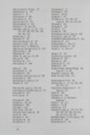
Maciejauskienė Vitalija 317 Malakauskas A. 399 Maldonis A. 96 Malinauskas V. 400 Marinskaitė R. 401 Markevičienė B. 184 Martišauskaitė A. 402 Mažiulis V. 96, 162, 186 Mažvydas (apie jį) 22, 115, 252, 279, 281, 286, 287, 292, 310, 396, 401, 425 Meiksinaitė …
Excerpt
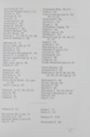
Smoczynski W. 294 Sokolovas Nikolajus (apie jį) 122 Spėčiūtė A. 425 Spielskaitė B. 426 Stang Ch. 78 Stankevičiūtė D. 427 Stankūnaitė Z. 428 Steinke K. 263, 330 Strelkauskienė V. 429 Stundžia Bonifacas 330 Stundžia Bronys 249 Subačius G. 167, 184, 271, …
Excerpt
Жукас В. 361 Жуперка К. 362 Кедис Б. В. 363 Клейнас Даниелюс (о нём) 10, 199 Князевская О. А. 102 Мажюлис В. 364 Мельник В. 102 Сабаляускас А. 330 Сенкус И. 14 Удлер Р.Я. 102 Ульвидас К. 14 Урбутис В. …
Excerpt
TURINYS PROFESORIUS JONAS PALIONIS + 5 Zigmas Zinkevičius, Bonifacas Stundžia KNYGOS IR STRAIPSNIAI + 6 STAMBESNIEJI RANKRAŠČIAI + 39 SUDARYTI IR REDAGUOTI DARBAI, VERTIMAI + 40 DISERTACIJŲ MOKSLINIS VADOVAS + 42 OPONUOTOS DISERTACIJOS + 43 VADOVAUTI …
Excerpt
JONAS PALIONIS BIBLIOGRAFIJOS RODYKLĖ Išleido Vilniaus universiteto leidykla Spausdino Vilniaus universiteto spaustuvė Universiteto g. 1, LT-01122 …

Excerpt
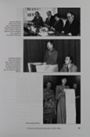
Docentai daktarai darbo ekonomikos spec. neakivaizdininkų paskutinėje paskaitoje (iš kairės į dešinę): Vytautas Grigoras, Petras Prakapas, Zena Gaigalienė, Romualdas Razauskas Paskutinę paskaitą darbo ekonomikos spec. vakarinio skyriaus studentams skaito …
Excerpt
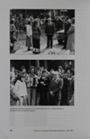
„Ekonomistų šventės“ akimirkos. Tarp studentų dekanas doc. dr. Paulius Kiuberis ir prodekanas doc. dr. Vytautas Grigoras 48 Vilniaus universiteto Ekonomikos fakultetas. …
Excerpt
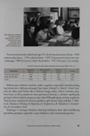
Ketvirtojo kurso studentai pratybose Vadybos kabinete. Kino režisierius H. Šablevičius kaupia medžiagą mokslo populiarinimo filmui „Noriu būti Merkurijum“ Pramonės ekonomikos fakultetą baigė 5311 absolventų (stacionaro skyrių —2149, neakivaizdinį skyrių — …
Excerpt
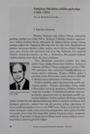
Prekybos fakulteto veiklos apžvalga (1969-1991) Duoc. dr. Bronislovas Čereška 1. Fakulteto įkūrimas Prekybos fakultetas, kaip atskiras Vilniaus universiteto padalinys, pradėjo savo veiklą 1969 m. Rektorius J. Kubilius fakulteto organizavi- mo ir vidinių …
Excerpt
Dekanas A. Jablonskis daugiausia rūpinosi organizaciniais ir ideologiniais klau- simais. Ideologiniam darbui jis labai tiko, dažnai važinėdavo po rajonus ir skaitydavo propagandinio pobūdžio paskaitas. Taip jis papildomai užsidirbdavo pragyvenimui ir …
Excerpt
pavadinimuose tiesiogiai paminėjo V. Lenino vardą. S. Uosio pranešimo tema — „V. Leninas ir tarybinė pinigų sistema“, M. Krejerio — „V. Leninas ir darbo moksli- nis organizavimas“, L. Butkevičiaus — „V. Lenino idėjų įgyvendinimas prekyboje“ ar J. …
Excerpt
Prekybos fakulteto tarybos sekretoriumi ilgus metus buvo Prekių mokslo ka- tedros vedėjas doc. Juozas Pričinauskas. Jam išėjus į pensiją, sekretoriaus pareigos buvo patikėtos naujai išrinktam tos pačios katedros vedėjui docentui (vėliau profe- soriui) …
Excerpt
Antanas Morkevičius Materialinio techninio aprūpinimo katedros vedėjas, docentas, ekonomikos kandidatas Petras Mikučionis Teisės fakulteto Politinės ekonomijos katedros docentas, ekonomikos kandidatas Arvydas Pajuodis Prekybos ekonomikos katedros …
Excerpt
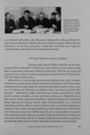
Atrenkami straipsniai į mokslo darbus. Iš kairės į dešinę: doc. dr. Arvydas Pajuodis, doc. dr. Alfonsas Venckus, prof. habil. dr. Marijonas Gregorauskas, doc. Kazimieras Lukša. 1968 m. vyr. mokslinis bendradarbis, vėliau Ekonominės kibernetikos ir finansų …
Excerpt
Fakulteto tarybos posėdžiuose buvo užsimota greitu laiku peržiūrėti ir kiek leido tuometinės sąlygos patobulinti mokymo planus ir programas. Buvo aktuali vaizdi- nių priemonių gamyba. Artimoje perspektyvoje buvo planuojama didinti priimamų studentų …
Excerpt
kad pirmaisiais darbo mėnesiais nebus ir liftų, nes jie buvo užsakyti pavėluotai. Prof. M. Gregorauskas tvirtino, kad be jų nebus įmanoma atiduoti pastato eksploatuoti. Bet tikrovėje tai nebuvo kliūtys. Labai sunkus ir varginantis buvo susisiekimas su …
Excerpt
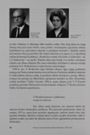
Doc. dr. Liudas Butkevičius (1929-2008) Doc. dr. Ksavera Vaištarienė mi ūkio reikalams, ir sėkmingai dirba katedros vedėju. Nors daug kartų esu teigęs žinomą tiesą, kad „mano liežuvis mano priešas“, nesusimąsčiau, jog būsimo dekano kandidatūros jau …
Excerpt
1971 m. rugsėjo 1-ąją formaliai prasidėjo naujieji mokslo metai, bet normalus studijų procesas neprasidėjo. Visi tvarkėsi naujosiose patalpose ir ruošėsi oficialiam rūmų atidarymui. Ir štai ilgai ir nekantriai lauktos dienos — 1971 m. rugsėjo 8-osios — …
Excerpt
Ne paskutinį vaidmenį vaidino studentų ir dėstytojų saugumas. Ypač baigus va- karinius užsiėmimus. Po paskaitų stengdavomės eiti vienu metu didesniais būreliais. Bet ir taip būdavo nejauku. Juo labiau kad kartkartėmis pasitaikydavo užpuolimų, apiplėšimų. …
Excerpt
lerių metų pasirodė pirmieji elektroniniai mikrokalkuliatoriai, kurie buvo brangūs, labai nepatvarūs ir veikė tik įjungti į elektros tinklą. Tiek mechaninei, tiek elektro- ninei aparatūrai saugoti buvo nupirkta gremėzdiškų metalinių spintų. Bet kartkar- …
Excerpt
tiek nereikalingai eikvojamo laiko. Turint omenyje, kad jie vykdavo popietinėmis valandomis ir daugumai dėstytojų į juos reikėdavo specialiai atvykti iš miesto, tai didindavo ir bendrus laiko nuostolius. Pavasario semestre visose aukštosiose mokyklose …
Excerpt
Konferenciją atidarė ir plenariniam posėdžiui pirmininkavo universiteto prorekto- rius mokslo reikalams doc. J. Grigonis. Pabrėžęs universiteto reikšmę šalies gyveni- me, jis išvardijo svarbiausius jubiliejinius renginius, tarp jų ir dalyvavimą Sąjunginė- …
Excerpt
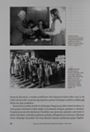
Studijų knygutę pirmojo kurso studentei Danguolei Banevičiūtei įteikia prof. habil. dr. Marijonas Gregorauskas. 1974 m. rugsėjo 1 d. Prekybos fakulteto pirmakursiai prie Prekybos fakulteto rūmų po studijų knygelių ir studentiškos atributikos įteikimo. …
Excerpt
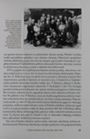
1955 m. laidos prekybos ekonomikos specialybės absolventai po 25 metų (1980 m. gegužės 24 d.) prie naujųjų Prekybos fakulteto rūmų Saulėtekio alėjoje. Susitikime dalyvavo buvęs Ekonomikos mokslų fakulteto dekanas doc. dr. Juozas Pauliukonis, prof. habil. …
Excerpt
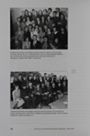
Prekybos ekonomikos specialybės studentai švenčia mediumą. Pirmoje eilėje (iš kairės į dešinę): doc. dr. Liudas Butkevičius, doc. dr. Jūratė Zaleskytė, dekanas doc. dr. Bronislovas Čereška, prodekanė doc. dr. Ksavera Vaištarienė, Prekybos ekonomikos …
Excerpt
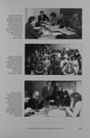
Diplominį darbą gina Prekybos ekonomikos specialybės diplomantas Jonas Šileika. Valstybinių egzaminų komisija (iš kairės į dešinę): doc. dr. Vytautas Mackevičius, doc. dr. Julija Narkūnienė, doc. dr. Arvydas Pajuodis, komisijos pirmininkas doc. dr. …