
Excerpt
programą, turėjo sudaryti stažuotės kalendorinį teminį planą ir pagal jį atsiskaityti betarpiškai įmonėje priskirtam vadovui. Buvo ir stažuotės nuostatai. Katedros dės- tytojai privalėdavo bent kartą per metus aplankyti stažuotoją ir pasidomėti, kaip jam …
Excerpt
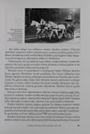
Merkurijaus šventė populiarumu nenusileisdavo garsiajai FIDI. Į Merkurijaus šventę karietoje vežamas dekanas doc. dr. Bronislovas Čereška. 1984 m. Kai būdavo blogas oras, krikštynos vykdavo fakulteto patalpose. Dažnokai „krikštynų“ programose būdavo …
Excerpt
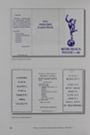
Gerb. drg. Kviečiame į prekybos fakul- Ielo organizuojamą Merkuri- Jaus šventę, skirtą Pergalės 40- mečiui, kuri Įvyks š. m. gegu- žės 11 d. 17 val. Saulėtekio al. 9, Jungiamojo korpuso palalpose. Programoje: olicialioJi dalis, vokaliniai-instrumentiniai …
Excerpt
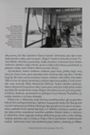
"EET Ne mažiau kaip du kartus per mokslo metus visi studentai privalėjo dalyvauti rudens ir pavasario talkose, rengiamose auditorijoms, langams valyti ir aplinkai tvarkyti. Nuotraukoje prekybos ekonomikos specialybės pirmojo kurso studentės valo vitrinas. …
Excerpt
šalis ir taip pat kiekvienais metais, dažniausiai per atostogas, susilaukdavome svečių iš minėtų universitetų. Toks studentų ir dėstytojų bendradarbiavimas vėliau ir mano dekanavimo metais smarkiai plėtėsi ir apėmė dalykinį bendradarbiavimą su Kijevo, …
Excerpt
gu jų vykdytoju (tiesa, visuomeniniais pagrindais, be jokio atlyginimo), atlikti įvairius visuomeninius įpareigojimus, kurių tada netrūkdavo. Apie savo darbą einant minėtas pareigas kalbėti gana sunku ir keblu. Tai tegu padaro kiti. Kalbu apie dešimtmetį, …
Excerpt
9. Mokymo proceso ir mokymo planų tobulinimas 1978 m. su Prekybos ministerija buvo sudaryta ūkiskai- tinė sutartis „Perspektyvinio prekybos specialisto modelio ir eksperimentinio mo- kymo plano prekybos ekonomikos specialistui paruošimas“. Šiam darbui …
Excerpt
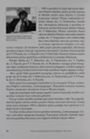
Tas mokymo planas gyvavo neilgai. Atkūrus Nepriklausomybę visi mokymo planai pradėjo keistis kaip kaleidoskope. Planų kaita ir jų tobulinimas vyko ir vyks. 10. Atgimimo pradžia ir naujų idėjų antplūdis 1988 m.m. pradžia buvo pažymėta nauju pakilimu. 1988 …
Excerpt
1989 m. gruodžio 6 d. įvyko ilgai ruoštas išplės- tinis Prekybos fakulteto tarybos posėdis, kuriame, be fakulteto tarybos narių, dalyvavo ir Gomelio kooperacijos instituto Vilniaus neakivaizdinio fa- kulteto dekanas doc. A. Dambrauskas, Liaudies ūkio …
Excerpt
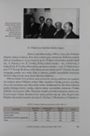
Diskusijos politekonomų ratelyje. Iš kairės į dešinę: doc. dr. Bronislovas Čereška, prof. habil. dr. Jonas Čičinskas, doc. dr. Vytautas Kindurys, doc. dr. Algimantas Jablonskis, doc. dr. Jonas Miškinis 11. Paskutinis fakulteto darbo etapas Atkūrus …
Excerpt
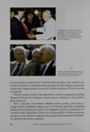
Popiežiaus Jono Pauliaus II susitikimo su mokslo ir meno žmonėmis Šv. Jonų bažnyčioje metu. Iš kairės į dešinę: doc. dr. Bronislovas Čereška su žmona Irena, prof. habil. dr. Henrikas Zabulis. 1993 m. rugsėjo 5 d. Profesoriai habilituoti daktarai (iš …
Excerpt
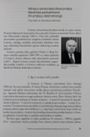
Vilniaus universiteto Ekonomikos fakultetas paskutiniame XX amžiaus dešimtmetyje Prof. babil. dr. Stanislovas Martišius Lietuvos ekonomistų bendrijos istorija yra gana nesena. Pirmieji diplomuoti ekonomistai buvo paruošti Lietuvos universitete Teisės …
Excerpt
Tokia buvo ekonomikos studijų pertvarkos pradžia universitete. Gilesnės reformos prasidėjo 1991 m. Tų metų kovo 7 d. universiteto senato posėdyje, nelauktai, penk- tuoju klausimu buvo pasiūlyta svarstyti „Ekonomikos fakultetų perspektyva“. Išli- kusi …
Excerpt
3. Praktika yra privaloma studijų dalis, tačiau jos trukmė neribojama ir į studijų laiką atskirai neįskaičiuojama. 4. Visas studijų laikas suskirstomas į tris dalis; pirmieji dveji metai (keturi ssmes- trai) skiriami bendrauniversitetinėms ir …
Excerpt
2. Technologijos katedros dėstytojus, pasiruošusius dėstyti naujuose mokymo planuose numatytas technologinio profilio disciplinas, perkelti į Įmonės eko- nomikos katedrą. "Tuo pačiu metu 1992 m. kovo 9 d. fakulteto tarybos posėdyje doc. V. Kindurio …
Excerpt
lavo didelio takto, tolerancijos, diplomatijos... Po ilgų, varginančių posėdžių, pasi- tarimų, ramesnių ir karštesnių diskusijų fakulteto tarybos posėdžiuose, vykusiuose 1993 m. gegužės 11 ir birželio 2 d., buvo patvirtintos bakalauro studijų programos …
Excerpt
ūkis ir ekonomikos mokslas“. Organizuojant pirmąsias atkurto Ekonomikos fakul- teto mokslines konferencijas, daug padirbėjo doc. V. Grigoras, doc. Z. Brazaitis, doc. J. Čepienė, B. Čereška, prof. V. Pranulis. Kaip rodo spausdinta metinių konferencijų …
Excerpt
kategorijas, pavyzdžiui, „nuosavybės santykiai“, gali būti vertingas mokslinis dar- bas. Mano parengtame rašte atsakymas buvo toks: „Kiek konkrečioje ekonominėje disertacijoje moksliniais metodais plėtojama kad ir klasikinė marksistinė politinės …
Excerpt
a) Verslo administravimo ir vadybos krypties: 1. Gamybos vadybos. 2. Personalo vadybos. 3. Organizacijų valdymo eksper- tizės. 4. Tarptautinio verslo. 5. Apskaitos ir audito. 6. Prekybos. 7. Paslaugų vadybos. 8. Prekių ekspertizės ir kvalitologijos. 9. …
Excerpt
lenkti Europą. Tai XXI amžiaus Lietuvos visuomenės uždavinys. Visi susitelkime ir savo krašto laikrodį pasukime keletą dešimtmečių į priekį, kaip svajojo tarpukario Lietuvos šviesuoliai. Aukštojoje mokykloje viską lemia geri dėstytojų kadrai, jų …
Excerpt
aukštos kvalifikacijos specialistų rengimą mokslo sričiai ir administracinei veiklai. „ Būtina labiau išryškinti ekonomikos, viešojo ir verslo administravimo studi- jų kryptis, išsamiau apibūdinti jų profilius, pačių studijų turinį. Ekonominės krypties …
Excerpt
Fakulteto tyrimų prioritetinės kryptys ir kvalifikuotų kadrų rengimas Prof: babil. dr. Stanislovas Martišius Pirmas Lietuvos vyriausybės premjeras, tragiško likimo žmogus profesorius Augustinas Voldemaras savo laikinosios vyriausybės deklara- cijoje 1918 …
Excerpt
tyrimams, bet jie paprastai buvo lokalinio pobūdžio. Savo disertacijomis ir kitais moksliniais darbais dažniausiai ieškojome gamybos, mainų ir paskirstymo sferose neišnaudotų rezervų, o ne formavome savarankišką ekonominę politiką. Ir tai su- prantama, …
Excerpt
Per praėjusį penkiasdešimtmetį Lietuva dirbo, statė, kūrė. Reikia objektyviai ir sąžiningai įvertinti ir atliktą ūkinį darbą, su visu konkretumu ir istoriniu įžvalgumu aptarti to meto šalies ūkinį gyvenimą, jo raidą, laimėjimus ir pralaimėjimus. Tai taip …
Excerpt
veikla. Šiuo požiūriu Lietuvos visuomenei reikėtų pristatyti šiuos žymiausius mūsų krašto ekonomistus: brolius bankininkus Joną ir Juozą Vailokaičius, „Pienocentro“ įkūrėją ir ilgametį vadovą, žymų politikos veikėją emigracijoje J. Glemžą, paskuti- nį …
Excerpt
pobūdžio darbų rengimą apie žymiausius pasaulio ekonomistus, naujas ekonomi- nes mokyklas, ekonomikos ir vadybos mokslų kryptis. Saimonas Kuznecas, Kenetas Erou, Džonas Hiksas, Vasilijus Leontjevas, neoliberalizmo stulpai — Frydrichas fon Hajekas ir …
Excerpt
probleminės paskaitos — tai kelias, garantuojantis kvalifikuotų ekonomistų ir vady- bininkų parengimą. Sunki mūsų materialinė padėtis, silpna techninė bazė, bet vis tiek turime padaryti lūžį studentų mokymo procese: nuo paskaitų-pamokų pasukti …
Excerpt
Ateities vadybininkas turi būti mokomas ne tik iš knygų, bet nebijoti ir praktikuotis „gyvenimo universitetuose“. Lietuva turės kultūringų ir iniciatyvių gamybos, reali- zacijos, kokybės, finansų, apskaitos, personalo, informacijos vadybininkų, jei tikrai …
Excerpt
Kelios mintys pradedant 1993-1994 mokslo metus Prof. babil. dr. Stanislovas Martišius Brangūs jaunieji kolegos! Siandien noriu pasveikinti Jus, pravėrusius mūsų senojo universiteto duris, ir priminti šiuos prasmingus poeto Balio Sruogos žodžius: Į Lietuvą …
Excerpt
institute, jo darbuotojus, mudu suartinusius bendrus darbus. Buvo gera sėdėti kartu ir kalbėti apie praėjusias dienas. Dekano nuomone, aš visiškai sugebėsiu susidoroti su mokslinių tyrimų pradmenų dalyku. Studentams reikėtų tik perduoti tą turtingą …